
How Do Bass Tournaments Work? A Beginner's Guide
New to competitive fishing? Here's how bass tournaments work — formats, limits, weigh-ins, the dead-fish penalty, and how winners are decided.
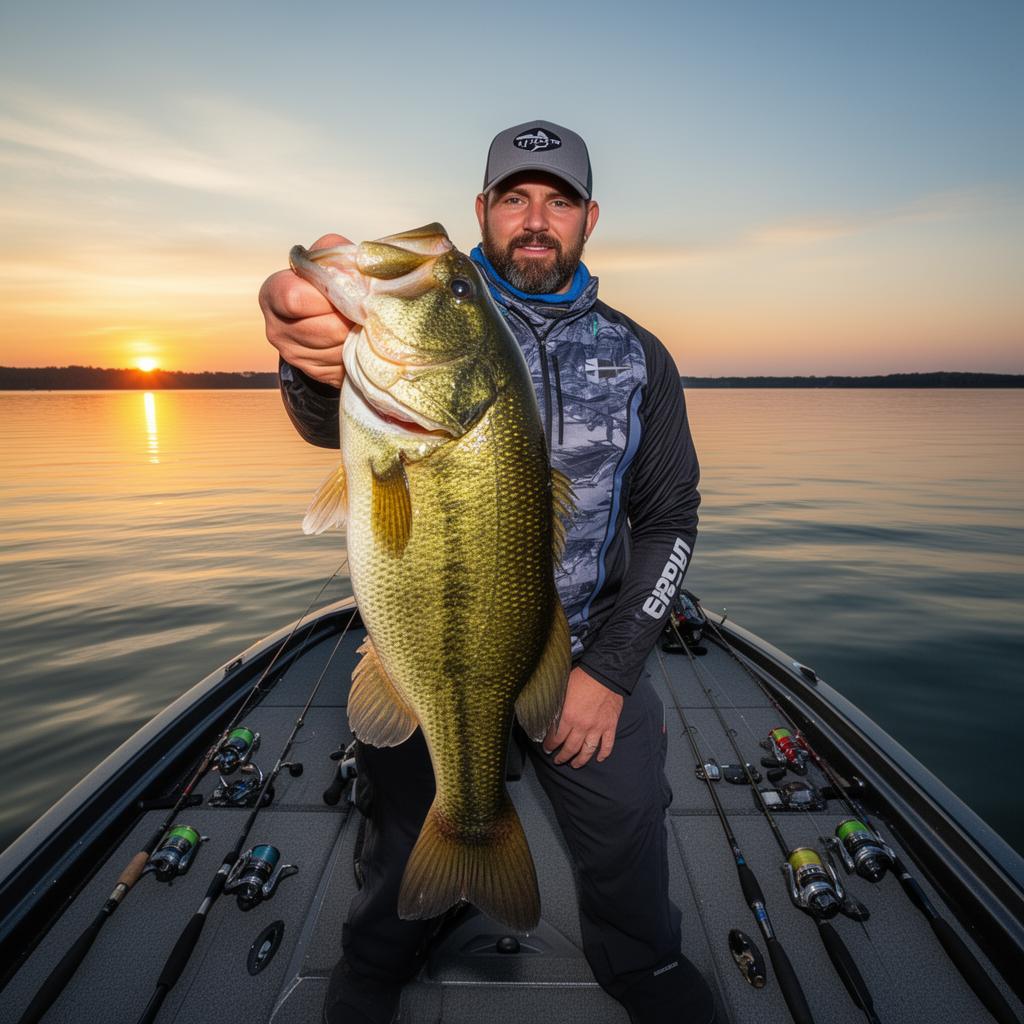
If you've ever watched a weigh-in line and wondered how the whole thing actually works, you're in the right place. Bass tournaments look complicated from the outside, but the core ideas are simple once someone explains them. Here's the plain-English version.
The basic idea
Most bass tournaments are catch, weigh, and release. Anglers fish a set window — often from safe light (around sunrise) to a fixed lines-out time in the afternoon — and bring their best fish to the scale. The team or angler with the heaviest legal limit wins. After weigh-in, the fish are released back into the water.
The five-fish limit
The classic format scores your best five bass by weight. You can catch fifty in a day, but only your top five count toward your total. That single rule shapes how competitive anglers fish: early on you're trying to catch any five keepers, and after that you're trying to upgrade them.
Culling explained
Once you have your limit of five fish in the livewell, every new keeper you catch means you release your smallest one to make room. Swapping a smaller fish for a bigger one is called culling, and anglers use numbered cull tags or a marked system so they can do it quickly and legally without weighing every fish by hand. Culling is how a good angler turns a 12-pound bag into a 16-pound bag over the course of a day.
Weigh-in and the dead-fish penalty
At the scale, your five fish are weighed together. Because keeping fish alive matters, most events apply a dead-fish penalty — a set number of ounces deducted for each fish that doesn't survive to weigh-in. That's why you'll see anglers obsess over their livewells, aerators, and fish-care additives. A dead fish can cost you a check.
How the winner is decided
Highest total weight wins. If two anglers tie, the tie is usually broken by the biggest single fish (the "kicker"). Many tournaments also pay a separate big bass prize, so one giant fish can earn money even if your total doesn't win.
Common formats you'll encounter
- Team — two anglers share one boat and combine their catch.
- Draw — you're paired with another competitor, often a boater and a non-boater.
- Individual — every angler competes alone.
- Series — points accumulate across several events toward a season title.
Ready to give it a try?
You don't need to be a pro to enter — you need a working knowledge of the rules and a willingness to learn. Browse open events and register in minutes on ds.fish tournaments, or read our guide to entering your first tournament.
Run your tournament with ds.fish
Describe it, publish it, fish it. Live leaderboards, AI catch verification, and instant payouts — free for directors.