
Permits, Liability & Insurance for Fishing Tournaments
What permits you may need, why event liability insurance matters, and how to reduce risk before you launch your fishing tournament.
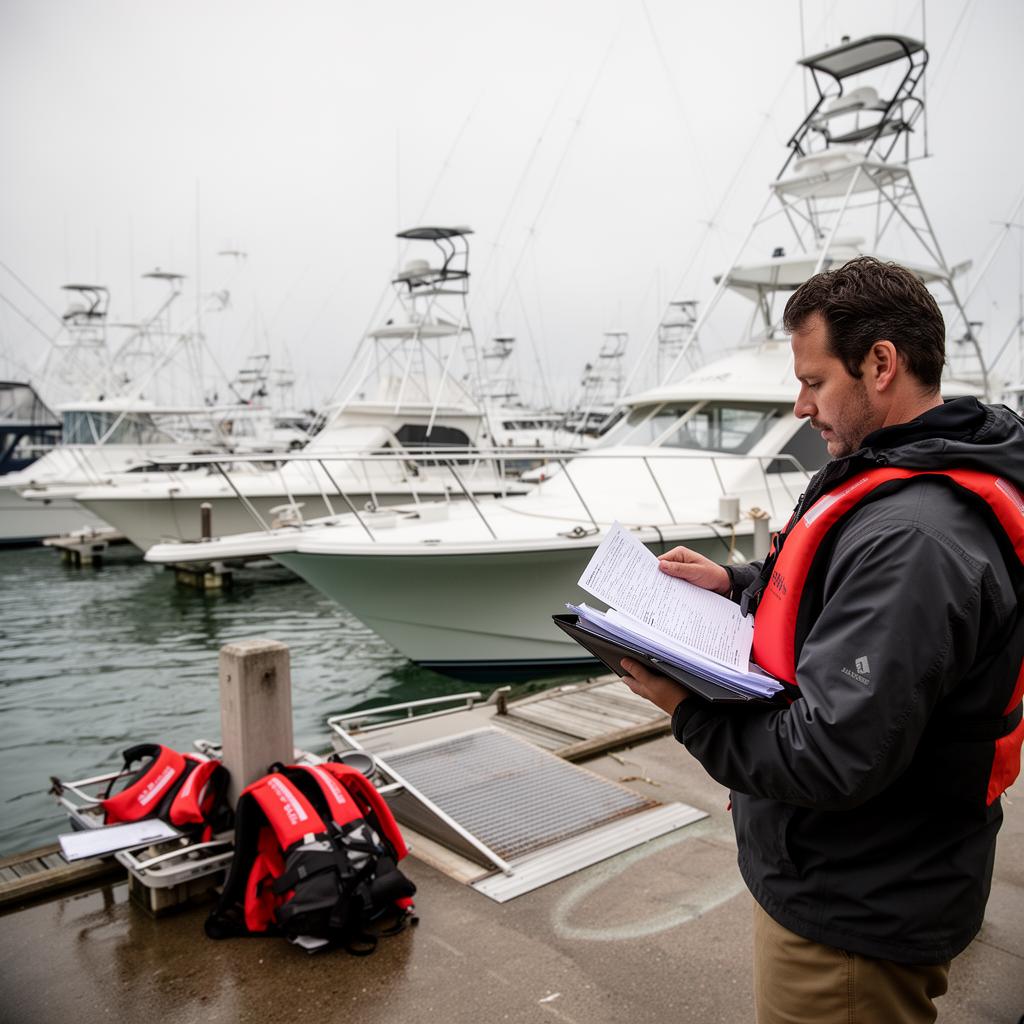
Before you accept a single entry, make sure your event is legal and covered. Permits and insurance aren't the fun part of running a tournament, but skipping them can shut an event down before launch — or leave you personally exposed if something goes wrong. Here's a practical walkthrough of what to handle and when.
Do you need a permit?
Often, yes. Many states and local authorities require a permit to hold an organized fishing competition, especially on public waters or when launching from a public ramp. Requirements vary widely by location and event size, so start with two phone calls:
- Your state fish and wildlife agency — ask specifically about competitive-event or tournament permits and any size thresholds.
- The ramp, marina, or park owner — public ramps sometimes require a use permit or reservation for large groups.
Events on federally managed water (national wildlife refuges, certain reservoirs, or coastal zones) may need an additional special-use permit. Give yourself weeks, not days — some permits have review periods.
Why liability insurance matters
Boats, crowded weigh-in areas, and water are an inherently risky combination. Event liability insurance protects you, your organization, and your participants if someone is injured or property is damaged. Beyond the protection itself, many venues and municipalities simply won't grant a permit without proof of coverage naming them as additionally insured.
When you shop for a policy, be ready to share your expected number of participants and spectators, the date and location, and whether alcohol will be served (which changes coverage needs).
Waivers and releases
Have every participant sign a liability waiver and release before they compete. A waiver doesn't replace insurance, but together they form your core risk protection. The easiest way to collect waivers is during online registration, so a signed release is captured automatically with every entry and you're never chasing paper on launch morning.
Reduce risk on event day
A little structure prevents most problems:
- Hold a captains' meeting that covers safety, boundaries, and weather.
- Require engine kill switches and properly fitted life jackets.
- Publish a clear bad-weather and lay-day policy before the event.
- Keep a first-aid kit, emergency contacts, and a plan for reaching help at the scale.
- Designate someone to monitor weather and make the call to delay or cancel.
Keep your records straight
If there's ever an incident or dispute, organized records are your friend: signed waivers, your published rules, the participant roster, and a timeline of the day. Keeping all of this in one place — rather than scattered across emails and paper — makes you far easier to defend and far easier to trust.
Let ds.fish handle the paperwork
ds.fish captures liability waivers at registration and keeps your roster, rules, entries, and payment records organized in a single dashboard, so your compliance documents are exactly where you need them. Set up your tournament and start with the admin handled.
This article is general information, not legal advice. Confirm permit and insurance requirements with your local authorities and a licensed insurance provider.
Run your tournament with ds.fish
Describe it, publish it, fish it. Live leaderboards, AI catch verification, and instant payouts — free for directors.